AUSA 2026
Readiness has always meant two things: equipment that works and people who know how to use it. For most of military history, the harder problem was the equipment. Today, that balance has shifted. Technology changes faster than any refresh cycle, threats evolve faster than any doctrine update, and the workforce is increasingly the variable that determines whether a force can perform when it matters.
VPS designs training that closes that gap.
PEOPLE
ARE THE
DIFFERENCE
New Definitions of Readiness
Readiness used to be a maintenance question: is the equipment current, is the certification up to date. That definition still matters, but it no longer covers the full picture. A force can have the best equipment available and still fail a mission if the people operating it were trained for yesterday’s requirements. Excellence in readiness now depends as much on how fast a workforce can absorb new skills as on how current its equipment is.
This year’s Army theme, “America’s Army: The Foundation of the Joint Force,” reflects that shift. The foundation isn’t hardware. The foundation is the people training to use it, whatever the equipment looks like.
The Connected Learning Environment
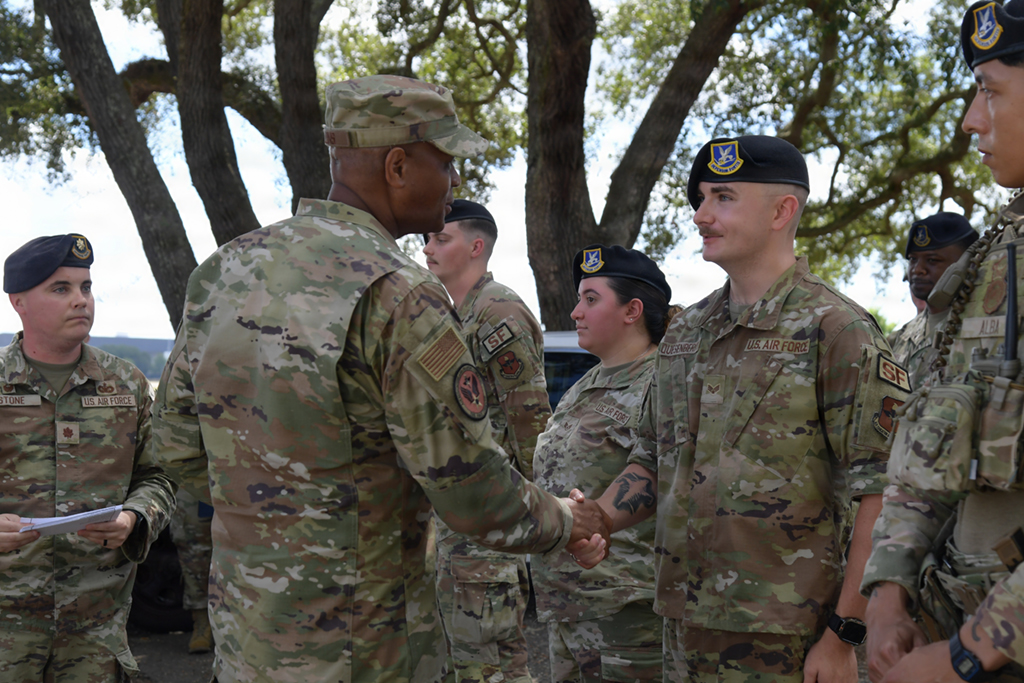
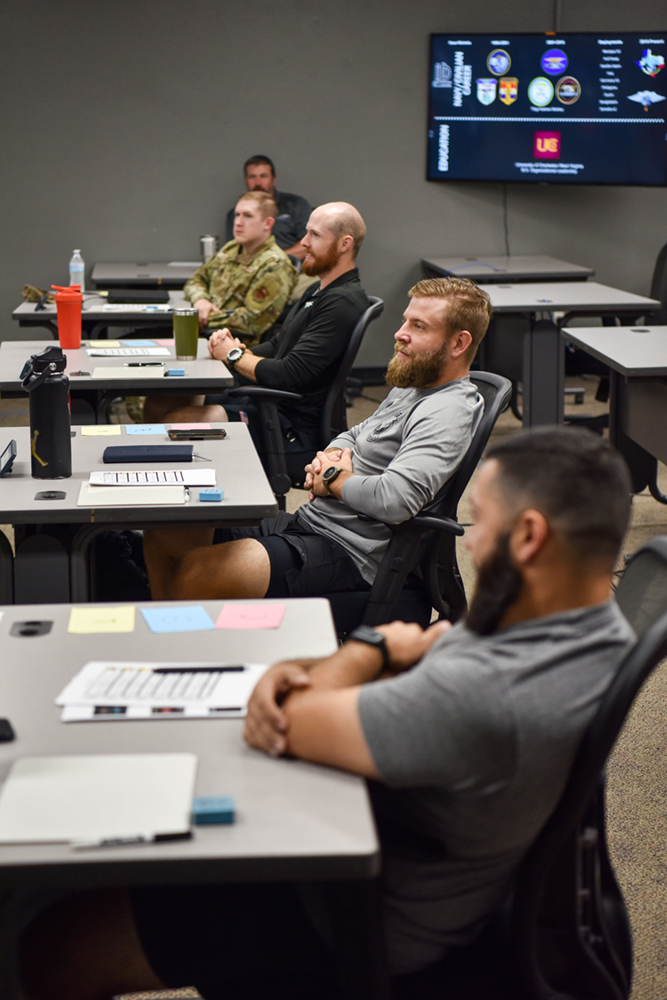
The very nature of mission-critical training has changed and so has the way military personnel receive it. Warfighters operate on land, at sea, in the air, and across the information environment, and the systems that develop and support them now require reach across all domains too. VPS designs learning and performance systems that meet the workforce where they are, whether that’s a classroom or the field.
A connected learning environment means content, coaching, and performance support that travels with the individual, from initial certification through the moment they’re troubleshooting equipment in the field. It closes the gap between when a skill deficiency appears and when it gets addressed, and it gives commanders and program managers real visibility into where a workforce stands, not just what a training record says.
Together, these connected systems turn training from a fixed event into something that moves with the mission.
Connected Content Delivery
Gets the right training for the right person at the point of need, whether that’s a classroom, a maintenance bay, or a deployed location.
Connected Coaching
Keeps skill development going after initial certification, instead of treating training as something that ends the day someone passes a test.
Connected Performance Data
Gives commanders and program managers a real-time picture of readiness gaps, not only completion rates.
Connected Feedback Loops
Let a training program correct the parts that aren’t working, instead of running the same course unchanged year after year.
Taking Readiness to the Next Level
Building a workforce that can keep pace with that kind of change requires attention to several areas:
Each of these is a discipline VPS has built for organizations that cannot afford training that looks good on paper but fails in the field.
Workforce Transition and Up-Skilling
Every large organization eventually faces the same problem: people need to move into new roles faster than a traditional training cycle allows. That’s true when a service member transitions to a new career path, and it’s true when a workforce must absorb new equipment and new requirements without slowing down operations. VPS designs training pathways that make that transition fast and reliable rather than improvised.
This is directly aligned with what AUSA is programming at this year’s show. Your Next Mission and the Generation Next Forum both exist because this is the problem the Army is actively working to solve. It’s the same problem VPS solves for other large, complex organizations.
Performance Support in the Flow of Work
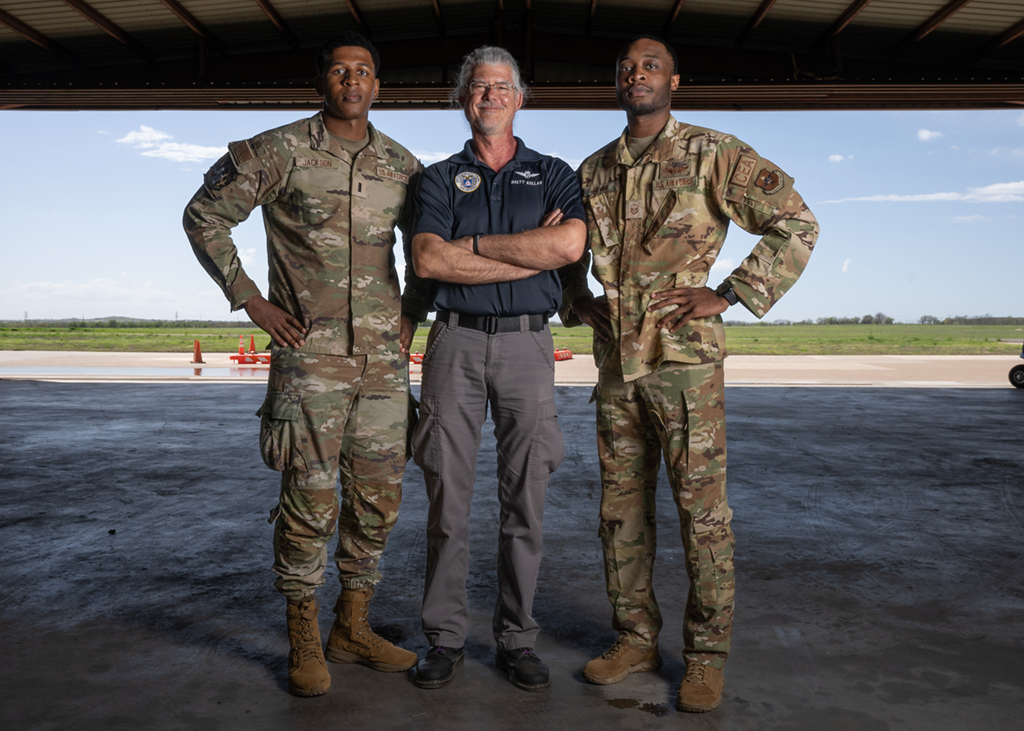
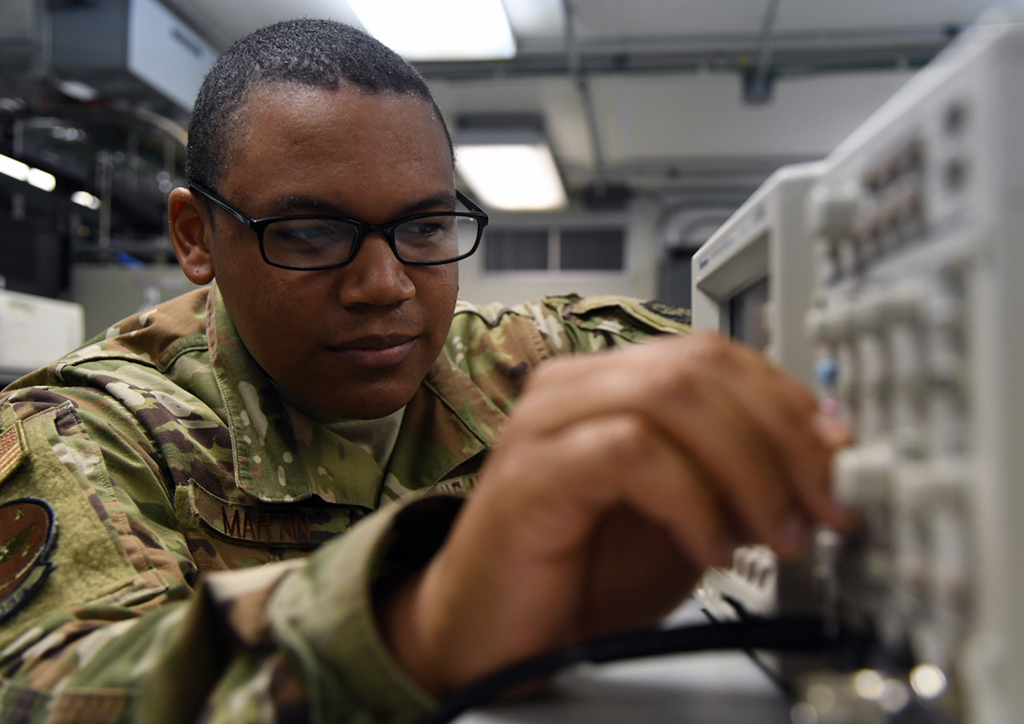
Classroom training and certification exams still matter, but they aren’t where most performance happens. Most of it happens in the field, under time pressure, without a manual in hand. VPS designs performance support that’s available to the learner at the point of need: job aids, embedded guidance, and short refreshers that reinforce a skill exactly when someone is about to use it, not weeks after they first learned it.
This is the same territory AUSA’s Human Performance Pavilion is pointing to this year. It reflects a broader shift in how training works: less time in a classroom, more support at the point of activity.
This isn’t just VPS’s view. In March 2026 testimony to the Senate Armed Services Committee, the Government Accountability Office reported that sailors surveyed about shipboard maintenance training were dissatisfied with both the quality of the training and how it was delivered, and recommended the Navy reassess the balance between classroom instruction and on-the-job training for maintenance skills.
The People Behind Readiness
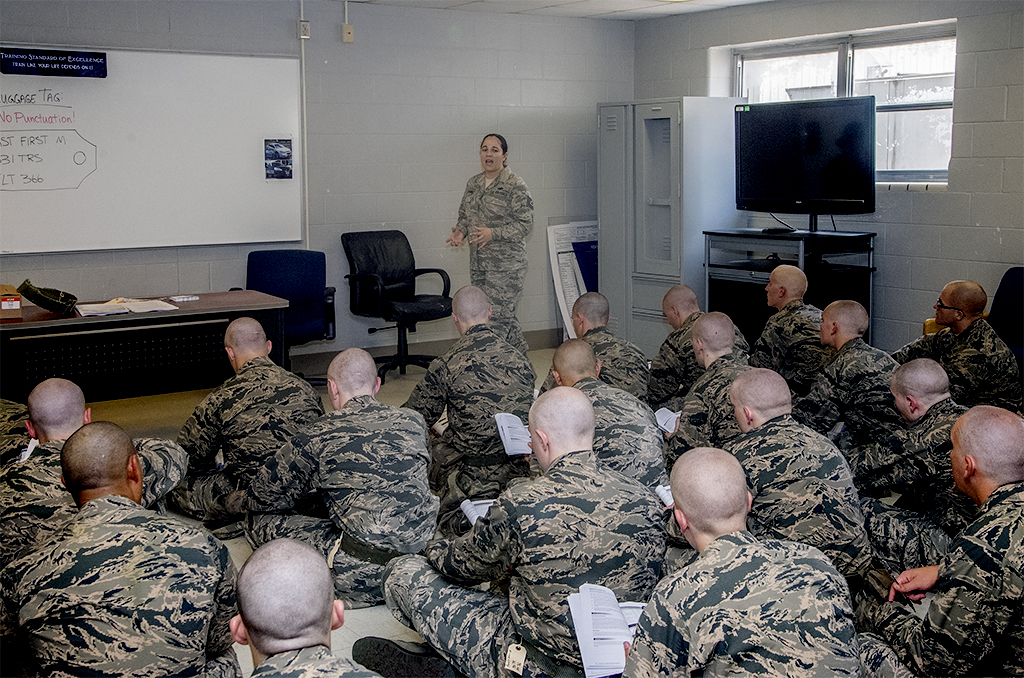
Behind every VPS training program is a team of instructors, curriculum designers, and program managers who understand the difference between training that looks complete on a syllabus and training that changes what someone can do under pressure.
Program Management as Scale
Designing a strong training program is only half the job. VPS manages delivery across large teams and long timelines, so a program that works in a pilot still works in year three, across every site and every team that needs it. That includes the administration work of scheduling, tracking, and quality control.
Data-Informed Program Design
VPS treats training as something to measure and adjust, not a one-time event. That means tracking whether a program is closing the skill gap it was built for and making the necessary adjustments as program needs evolve.
Where AI Fits
Training is moving away from the classroom and toward the point of activity. Someone who needs to solve a problem in the field is looking for a short, specific answer, not a full course. AI’s biggest impact on training is enabling that shift: helping build and package content fast enough to meet people exactly where the need shows up, instead of asking them to sit through a module to find one answer.
The same shift applies to how people work alongside AI-enabled systems. As more equipment is managed in part by AI, the workforce needs a different kind of training: staying the human in the loop, able to verify that an automated system is doing what it’s supposed to do. VPS’s approach to AI reflects both sides of this: using it to build and deliver training faster and closer to the point of need, while training the force to remain the accountable check on any system AI is helping to run.
FASTER
TRAINING
WITHOUT LOSING
HUMAN JUDGMENT
Apprenticeships and Workforce Readiness Tools
Certification gets someone qualified. It doesn’t always get them proficient. VPS designs apprenticeship-style training that pairs structured learning with real, supervised work, so people build proficiency on the job instead of arriving qualified on paper and unproven in practice. This model matters most where AUSA’s own programming is focused this year:
Your Next Mission
exists to move people from military service into new careers. That transition succeeds or fails based on whether the receiving organization has a real onboarding and apprenticeship structure waiting for them, not a job offer alone.
Generation Next Forum
builds the next generation of the force and the industry that supports it. Apprenticeship models are one of the few training approaches that work for someone with no prior experience in the role.
Army Human Performance Pavilion
focuses on how people perform, not what they’re credentialed to do. Apprenticeship and workforce readiness tools are built around that same distinction: proficiency over paperwork.
VPS builds the workforce readiness tools that support this kind of training at scale: structured on-the-job progression tracks, mentor and evaluator guides, and the tracking systems that show whether someone is advancing toward proficiency, not simply accumulating hours.
Why VPS
VPS is an independent subsidiary of V2X, a company built on serving commercial, government, and military clients around the world. VPS’s training design has supported organizations including NASA, the FAA, NATO, and the UK Royal Navy, across decades of work where readiness had to hold up under real conditions, not pass an audit alone. That is the same standard the Army is asking of its own training investment this year.
VPS Training Services for Mission Readiness
Technical Certification Design
Pathways that scale across a large, dispersed workforce without losing consistency.
Modality-Matched Delivery
Instructor-led, hands-on, virtual, or self-paced, built around what develops the skill.
Workforce Transition Programs
Moving people into new roles as missions and requirements change.
Performance Support Design
Job aids and embedded guidance at the point of need.
Program Management at Scale
Delivery managed across large teams and long timelines.
Data and Measurement
Training tracked and adjusted against real outcomes.
Meet Us at AUSA
Stop by [Booth #] to talk through how VPS approaches workforce readiness, or schedule time with our team in advance.